Healthy Commuting

Cycling as a Daily Health Practice, Not Just Transport

For people who care about how they move through the city. Bike commuting integrates physical activity into a workday without requiring separate gym time. The practical reality in Polish cities involves some trade-offs worth understanding.

Physical Activity

What Daily Cycling Actually Provides

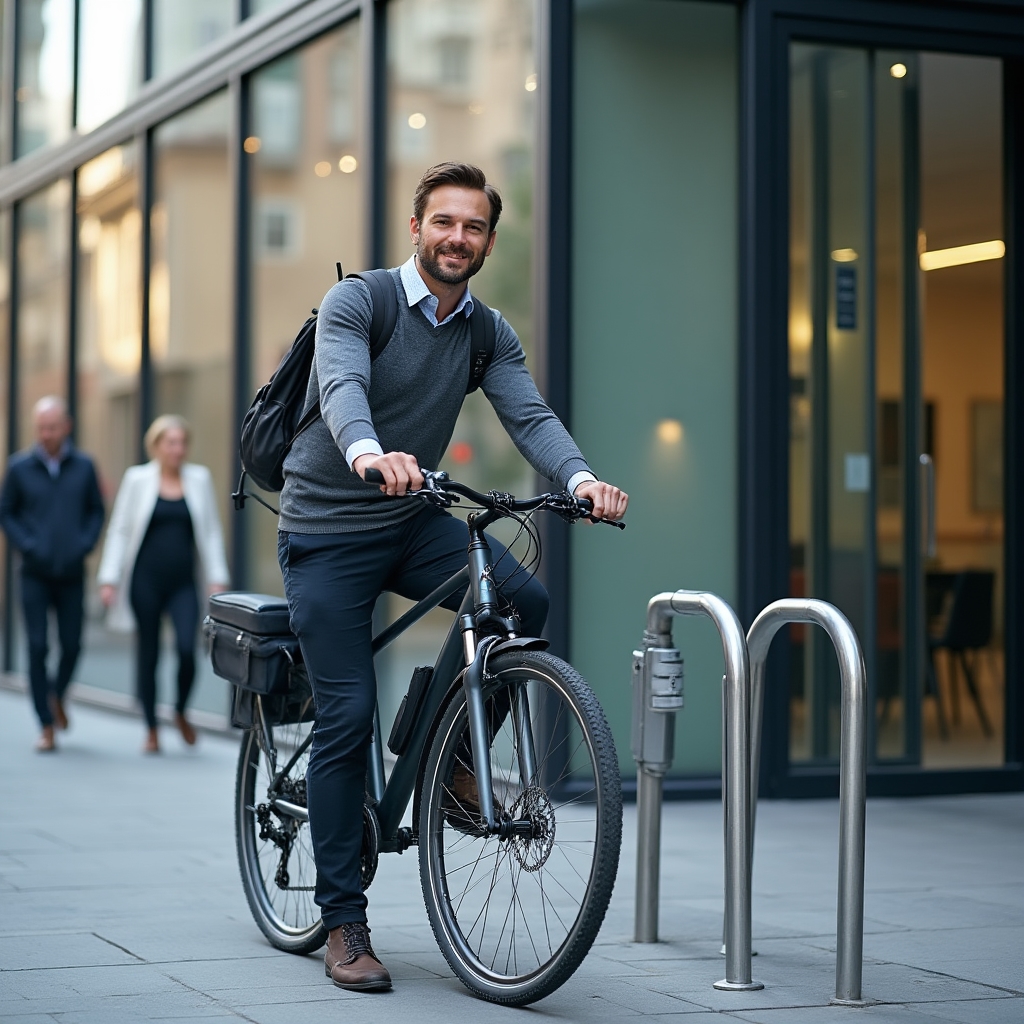
Cyclist arriving at a modern glass office building with pannier bags, locking bike at secure indoor rack
Practical Logistics

Arriving at Work Without Arriving at Work

The practical challenge for health-conscious commuters is arriving presentable after physical activity. This is entirely solvable but requires some planning that most guides skip over.

Shower availability at the destination is the most significant variable. An increasing number of Warsaw office buildings have shower facilities for cyclists, but access procedures and quality vary considerably. The indoor parking guides include notes on shower availability where it has been confirmed.

Carrying work clothes in a pannier rather than a backpack eliminates the sweaty-back problem that puts people off cycling to work in summer. Panniers are genuinely underutilized by urban cyclists. The difference in comfort on a 30-minute summer commute is substantial.

Hydration and nutrition on a bike commute follow different logic than recreational cycling. The intensity is lower. The duration is shorter. The guides address this specifically for commuting rather than applying recreational cycling nutrition frameworks that don't translate.

Route Planning

Choosing Routes That Serve Both Goals

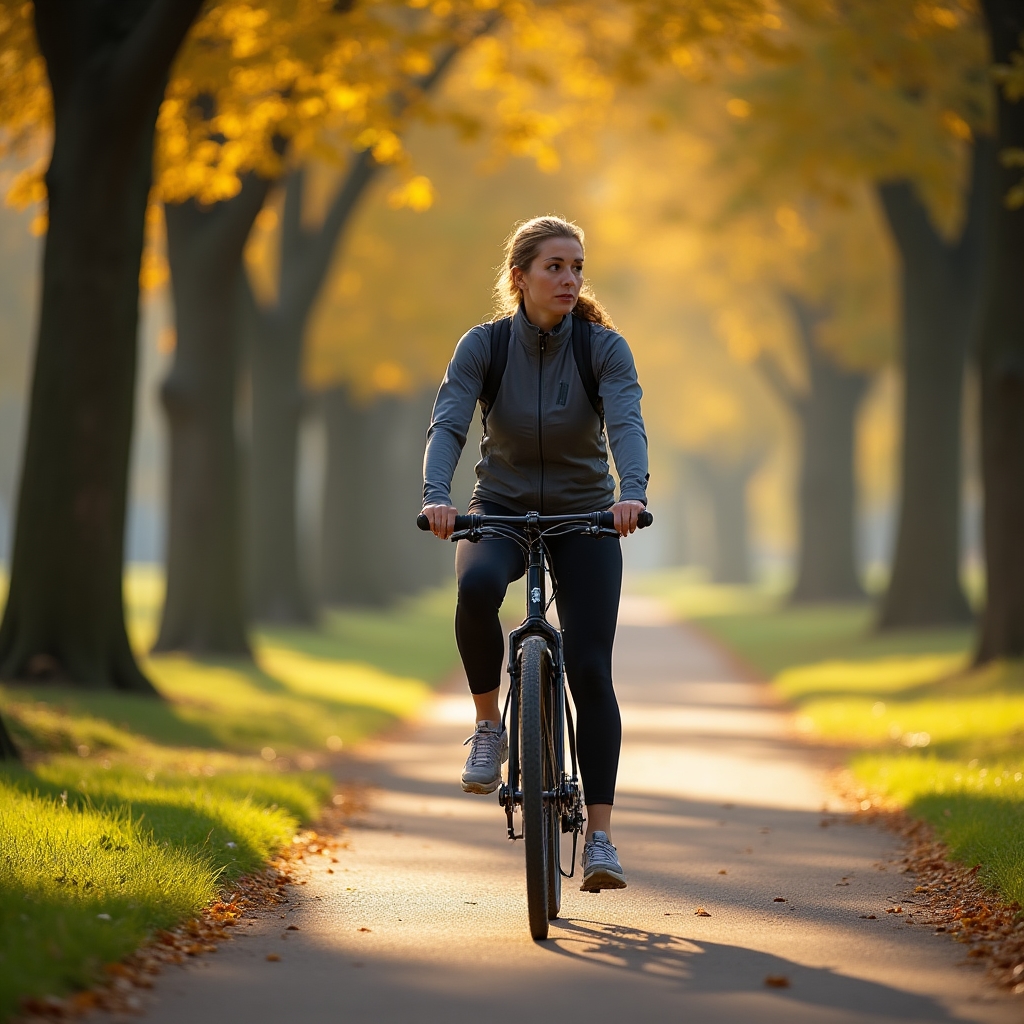
The fastest route and the healthiest route are sometimes different things. Routes through parks and along rivers expose cyclists to less vehicle exhaust and more greenery. The trade-off in time is often small. The infrastructure guides include notes on which routes offer this kind of alternative where one exists.

Read the Route Guides